 Summiva
Will learning Spanish confuse my toddler?
By Anand Yadav · @summiva.app · Posted 18 June 2026 · 8 min read
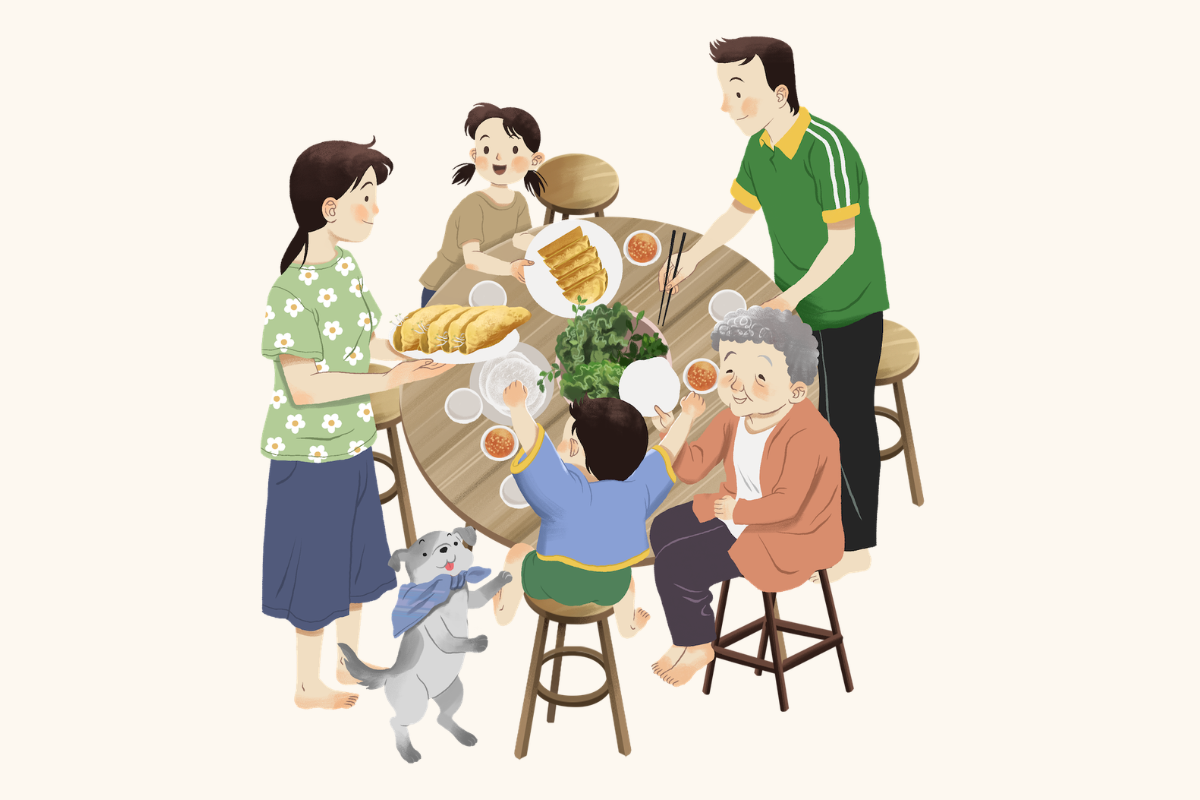
You want to give your child Spanish, and someone has already made you nervous about it. A relative, a comment under a video, a half-remembered article: won't two languages confuse her? Won't it slow down her talking? I had that exact worry. Not about Spanish, though. I am not raising my daughter in Spanish. I am raising her in English, Marathi, and Kannada, three languages, under one roof, before she turned two. The languages are different. The fear is identical. And so is the science, which does not care whether the two languages on your child's plate are English and Spanish or Kannada and Marathi. Here is what I have actually seen, and what the research says.
Does learning two languages confuse a child?
No. Children raised with two languages are not confused by them, and they are not at higher risk of language delay than children raised with one. Researchers have studied this for decades and keep landing in the same place (The Conversation, debunking common bilingual myths). The worry is old and intuitive, and it is wrong.
To see why, it helps to look closely at the thing that keeps getting mistaken for confusion.
What confusion actually looks like (my daughter, at one)
My daughter is not yet two, and she already understands all three of her languages. She says water in Kannada and water in English. For plenty of other things she just uses whichever word she has, in whichever language it lives. If you were standing in my kitchen watching this, you might think she was muddled.
She is not. The meaning was never the confused part. She knows exactly what she wants. When she says the Kannada word for water to me and the English word to my wife, she is not unsure about water. She has two words for one thing she understands perfectly. That is not a child who is mixed up. That is a child with a richer map.
Confusion would mean she did not know what she was trying to say. She always knows. She is only choosing between labels. Linguists have a calm, boring name for this: code-mixing, using words from more than one language in the same breath. It is one of the most normal things a young bilingual child does, and it is a sign of a brain sorting languages, not drowning in them.
Will it delay her speech?
No. Bilingual children reach the big speech milestones at the same ages as children learning a single language: first words around the first birthday, two-word phrases around age two (ASHA, learning two languages). Bilingualism does not push those markers back.
Here is the honest part most cheerful articles leave out. Early on, a bilingual child can know fewer words in each single language than a monolingual child, because her words are spread across two or three. Count only her English and she might look a step behind. Count everything she knows, in all her languages together, and she is right where she should be. The per-language gap is real, it is normal, and it closes as she grows. My daughter's total understanding, across three languages, is exactly where a one-year-old's should be. It just happens to be distributed.
Why mixing languages is a good sign, not a bad one
The mixing that worries parents is the very thing that should reassure them. To use one language with one person and another with someone else, a child first has to register that there are different systems, and different people who speak them. That is sophisticated work for a toddler.
In my house the inputs are fairly steady without anyone planning it. My wife speaks mostly English and some Kannada. I speak Marathi and Kannada, and less English. My mother speaks Kannada and Marathi. My daughter is quietly mapping who belongs to what. When a bilingual child code-switches, she is not failing to keep her languages apart. She is showing you she has noticed they are apart (Brookes Babylab on bilingual myths).
What helps, and the one thing that doesn't
If you take one thing from this, take this: the danger is not the second language. The danger is getting scared and pulling it away.
A few things that genuinely help:
- Keep your input reasonably steady. Each person being fairly consistent in their language gives the child a pattern to learn.
- Don't quiz or correct. Asking "how do you say it in Spanish?" turns language into a test. Let it stay communication.
- Don't panic at the mixing. It is normal and it passes. Treating it as a problem is the surest way to make it one.
And the mistake to avoid: dropping a language out of fear. Parents who get nervous and switch the whole house to English, just in case, take away the very exposure the child needs. You do not need a Spanish-speaking household to raise a Spanish-curious child. Consistent input does the work: your voice, songs, and daily habit. I wrote about the how in how to teach your toddler Spanish, and put together a screen-free starter playlist in Spanish songs for toddlers.
When to actually check with a professional
Bilingualism does not cause speech delays, which means it should never be the excuse for one either. If your child seems meaningfully behind, the honest move is to judge her total milestones, everything she understands and says across all her languages combined, not just one. A child who is behind across all of them deserves a proper look from a speech-language professional, and the bilingualism is not the cause (ASHA).
The two mistakes here are opposite and equally common: blaming a real delay on the second language, and waving away a real delay as "oh, she's just bilingual." Count everything. If everything is behind, ask for help.
The fear is real. I felt it. But I have a not-yet-two-year-old who understands three languages and asks me for water in two of them, and she is the least confused person I know. You can give your child Spanish without taking anything away and without breaking anything. Pick one small, steady way in, and trust that a young brain is built for exactly this. That calm, one-thing-at-a-time approach is what we built Summiva around. Start where you are. And for the full age-by-age guide, see Spanish for kids. One calm week at a time.
Frequently asked questions
Does learning Spanish confuse toddlers?
No. Children raised with two languages are not confused by them and are not at higher risk of delay than children raised with one. What looks like confusion, a child using words from both languages, is normal code-mixing. The meaning is never the confused part. She knows what she means, she just has more than one word for it.
Does being bilingual cause a speech delay?
No. Bilingual children hit the major milestones at the same ages: first words around the first birthday, two-word phrases around age two. Early on a bilingual child may know fewer words in each single language because her words are split across two or three, but her total vocabulary is on track, and the per-language gap closes as she grows.
Why does my bilingual toddler mix languages in one sentence?
It is called code-mixing and it is completely normal. A young child has a limited total vocabulary, so she reaches for whichever word she has. Far from being confused, mixing shows she has noticed there are different language systems and is sorting them. It fades on its own as each language fills in.
Is it too early or too late to start a second language?
A child can become bilingual at almost any age, but the window is widest in the early years and narrows over time, so earlier is easier. Toddlerhood is ideal because young children absorb language naturally through everyday exposure, with no lessons or pressure.
My bilingual child seems behind. Is it the bilingualism?
Almost certainly not, because bilingualism does not cause delays. Judge her total milestones across all her languages combined, not just one. If she is meaningfully behind across all of them, that deserves a proper look from a speech-language professional, and the second language is not the reason. Do not blame a real delay on bilingualism, and do not wave one away as just bilingualism.
Turn this into one calm week
Summiva turns goals like this one into a few small real moments a week, matched to your child's age. Built by the parent who wrote this post. Free to start, no card.
One goal free forever. No streaks, no guilt.