 Summiva
Swim gear for toddlers: what to actually buy, and what to skip
By Anand Yadav · @summiva.app · Posted 11 June 2026 · 8 min read
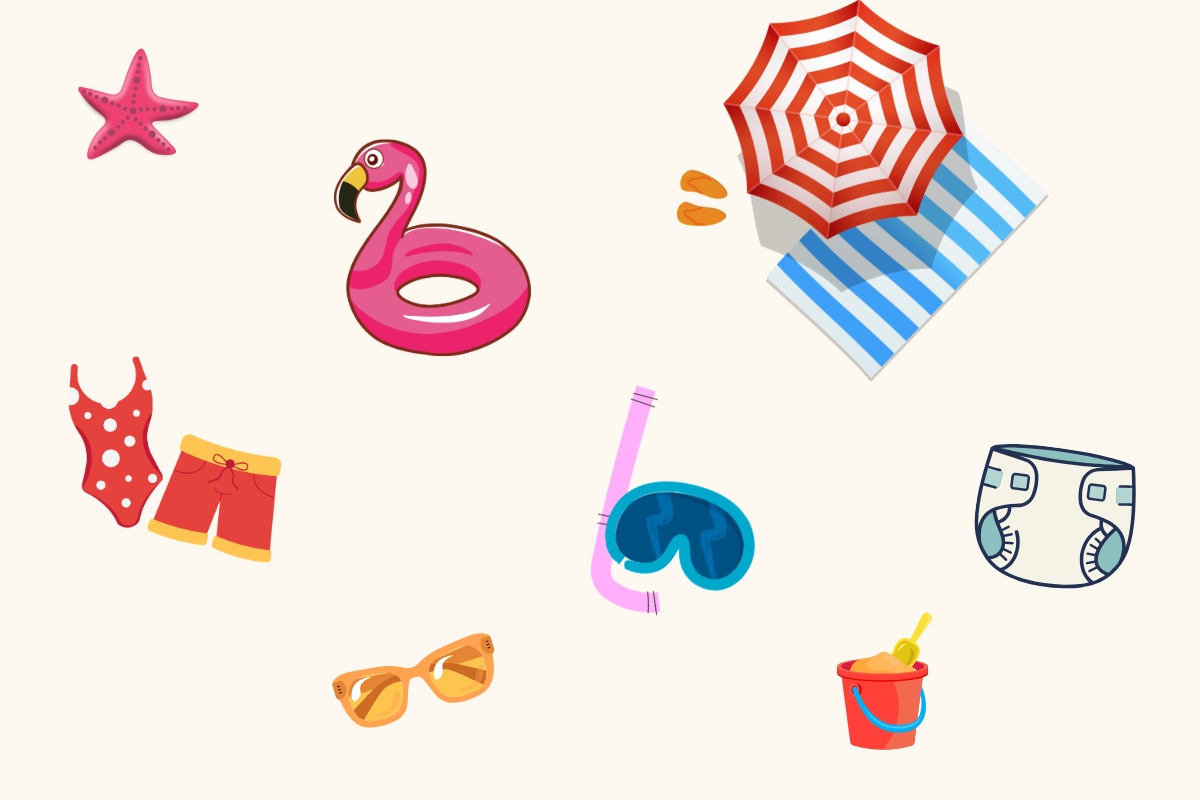
The swim gear lists are long, and most of them are long on purpose, because the site makes money on every link. The honest list is short. Here is everything we own for Aanya, who is 20 months old: a swimsuit, swim diapers, and a flamingo-shaped float she sat on for about four minutes before she started crying. That is the whole kit. So this is not a fifteen-item haul. It is the short list actually worth buying, the one item that genuinely matters for safety, and the aisle to be sceptical of, written by a dad who cannot swim and owns almost no gear. No affiliate links anywhere on this page, just opinions.
The short list worth buying
A young toddler needs very little to be in the water. This is the list, and it really does fit in a small bag.
A bright swimsuit
Any snug, comfortable suit will do the job, but the colour is worth a thought, because it is a quiet safety feature. Bright, high-contrast colours like neon orange, hot pink, and bright green stay visible underwater. Blues, greens, and white tend to vanish against a pool bottom, which is exactly the wrong thing if you ever need to spot a child quickly. We did not know this when we bought Aanya's first suit. We do now.
Swim diapers
If your child is not potty trained, most pools and all swim classes will require a swim diaper, and they are right to. A swim diaper holds the solids, not the urine, which is the part that matters for keeping a pool clean. A reusable one is cheaper over time and the better choice if you swim regularly, since you simply wash and reuse it. Keep a disposable in the bag as a backup. Some parents double up, a reusable over a disposable, for the obvious extra insurance. This is the one item I would never skip.
A rash guard and sun protection
A UPF rash guard top and a wide hat earn their place, though it is worth being clear that they protect against the sun far more than they help with swimming. In strong sun, which is most of the year where we are, they are genuinely useful. If you are only ever in an indoor pool, they are optional.
Water shoes
Water shoes do nothing for swimming. What they do is stop a toddler slipping on a wet pool deck and protect small feet from hot tiles or rough surfaces around the water. For that alone they can be worth it, especially poolside, where most of the slipping actually happens. Nice to have, not essential.
Goggles, but not yet
Goggles are genuinely useful, just not at this age. They suit a child from around three, when they are putting their face in and swimming a short way, because they make chlorine comfortable and let a child see, which helps confidence. Look for a soft silicone seal and an adjustable strap when the time comes. For a one or two year old who is mostly held and splashing, goggles are a thing you buy too early and lose before they are needed. We do not own a pair yet.
The one item that actually matters, in one place only
If you buy a single piece of safety gear, make it a properly fitted, certified life jacket, and use it only in open water. A boat, a lake, the sea. Look for a recognised standard, US Coast Guard approval, or an ISI mark here in India. This is not a pool toy and it is not a "swim aid". It is the right tool for a setting where the water is deep, moving, and unpredictable, and where even a strong adult swimmer wears one.
The key distinction: a life jacket is for open water, not for teaching a child to swim in a pool. In the pool, your hands are the safety device, and nothing on a shelf replaces them.
The float aisle, honestly
This is where the gear lists get muddled, so let me separate two things that get sold side by side and are not the same.
Ride-on pool toys, like our flamingo
A ride-on inflatable, the flamingo, the unicorn, the giant doughnut, is a toy. We bought the flamingo, Aanya sat on it for about four minutes, decided she was done, and cried to get off. And honestly, I do not regret it for a second. It was a few hundred rupees of fun, it photographs well, and one day she will probably love it. Just buy it knowing what it is: a novelty, not a milestone and not a safety device. Manage your expectations, keep a hand on her the entire time, and never leave a child alone on or near an inflatable, because they flip and they drift.
Wearable floaties sold as swim aids
This is the category to be sceptical of: puddle jumpers, arm bands, and the foam vests marketed to "build water confidence". The problem is well documented. They hold a child in an upright, head-up position, which is the opposite of the horizontal body line swimming actually needs, and children who live in them can find the float harder to learn later. Worse, they hand both child and parent a false sense of safety. Consumer Reports and a number of swim instructors make exactly this point. I went into the full argument in how to teach a toddler to swim, so I will not repeat it here.
One firmer line: skip neck floats entirely. The inflatable ring around a baby's neck has been flagged by safety regulators for real injury and drowning risk, and there is no version of the upside that is worth it.
The rule that covers all of it: a float can be a toy, never a substitute for your hands or your attention.
And if your child is frightened of the water itself rather than missing any gear, that is a different problem with a gentler fix, covered in when your child is scared of water.
What we actually use with Aanya
Stripped right down, our real swim kit is a swimsuit, a swim diaper, and us. That is what goes to the pool. The flamingo mostly lives deflated in a cupboard. We do not own goggles, arm bands, a puddle jumper, or a kickboard, and at 20 months she has not needed a single one of them. The work at this age, getting comfortable, splashing, being held in the water, needs almost no equipment, which is the part the long lists quietly leave out. There is more on those early water games in swimming activities for toddlers.
Where to buy in India
Nothing on the buy list is hard to find. Decathlon carries toddler swimsuits, rash guards, and basic goggles cheaply, both in store and online. FirstCry and the usual marketplaces stock reusable and disposable swim diapers. You do not need a specialist shop or an imported brand for any of it, and you certainly do not need to spend what the "ultimate swim gear" lists imply.
The honest bottom line
You need much less than the internet wants to sell you. A bright swimsuit, a swim diaper, sun cover if you are outdoors, and your full attention will carry a toddler through their entire first couple of years in the water. Add goggles around three and a certified life jacket if you go near open water. Everything else is optional, and a fair bit of it is best left on the shelf. That bias toward less, fewer things, more attention, is the same one we built Summiva around for the bigger goals. For a toddler in a pool, it is mostly a swimsuit and you. For the bigger picture age by age, see swimming for kids.
Frequently asked questions
What swim gear does a toddler actually need?
Far less than the lists suggest. A snug swimsuit in a bright, visible colour and a swim diaper cover the basics for a young toddler. A rash guard and water shoes are useful in sun and on slippery decks. Goggles suit children from about age three. A certified life jacket matters only for open water. Everything else is optional.
Are pool floats like a flamingo float safe for toddlers?
A ride-on pool float is a toy, not a learning aid or a safety device. It is fine to buy for fun under constant supervision, but do not expect it to teach swimming or even to be a guaranteed hit. Many toddlers sit on one for a few minutes and then want off. Never leave a child unattended on or near an inflatable.
Are puddle jumpers or arm bands good for toddlers learning to swim?
Be sceptical of wearable flotation sold as a learning or safety aid. Puddle jumpers and arm bands hold a child upright, the opposite of the horizontal body position swimming needs, and they build a false sense of safety. Use them for play if at all, never as a teaching tool, and never as a substitute for an adult within arm's reach. Avoid neck floats entirely, as they carry real safety risks.
Do toddlers need swim goggles?
Not as young toddlers. Goggles help from around age three, when a child is putting their face in and swimming short distances. They make chlorine comfortable and support confidence. For a one or two year old who is mostly being held and splashing, they are not needed.
Reusable or disposable swim diapers, which is better?
A reusable swim diaper is cheaper over time and better for regular swimming, since you just wash and reuse it. Disposables are convenient as a backup or for occasional trips. Many parents use a reusable with a disposable underneath for extra protection. Both hold solids rather than urine, which is what pools require.
Turn this into one calm week
Summiva turns goals like this one into a few small real moments a week, matched to your child's age. Built by the parent who wrote this post. Free to start, no card.
One goal free forever. No streaks, no guilt.