 Summiva
Swimming activities for toddlers: the water games that actually work
By Anand Yadav · @summiva.app · Posted 10 June 2026 · 9 min read
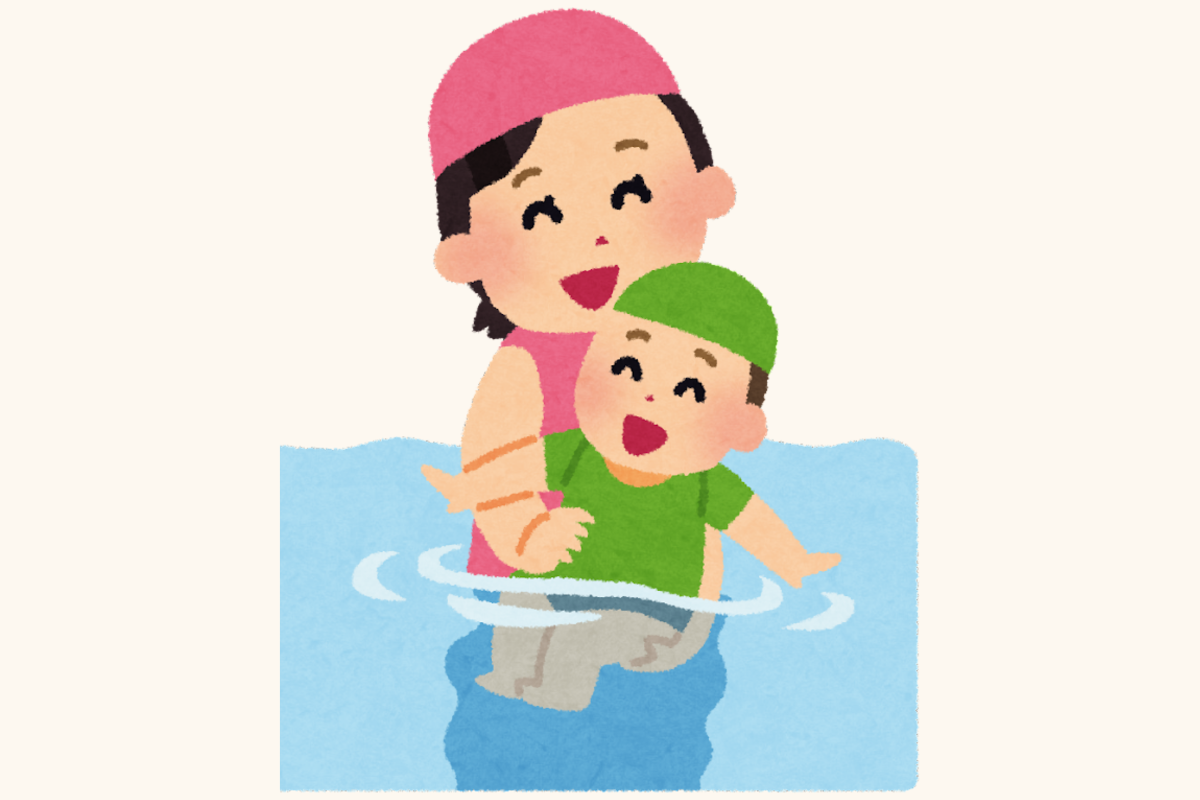
Search "swimming activities for toddlers" and you get the same article everywhere: thirty pool games, most of them for children who already like the water. None of it helps on the afternoon your toddler is crying before a single toe goes in. The honest version is shorter and a little uncomfortable. The activity barely matters. What matters is whether it fits the child in front of you. Aanya is 20 months old. She loves splashing in a pool, and she cries the moment we sit her in her own bathtub at home. Same water, opposite reaction. So the activities below are not sorted by how fun they look in a photo. They are sorted by what each one builds, and by where your toddler actually is right now.
The activity is the wrapper. The skill is the point.
Every good toddler swimming activity is really a delivery system for one of a few skills: being comfortable in the water, controlling the breath, floating, kicking, and finally moving. If you know which of those a game is for, you never run out of ideas, because you can invent your own. If you do not, you end up cycling through a list of games hoping one sticks, which is exactly how the pool turns into a fight.
I laid out that progression as a simple ladder in how to teach a toddler to swim. This post fills each rung with the actual games. The order still matters here: a game built for a higher rung lands flat when the lower rung is not there yet. Comfort comes before bubbles, bubbles come before the face, and moving through the water comes last of all.
Bath activities: the everyday water you already have
For most toddlers the bath is the first water they meet, every evening, with no special trip required. That makes it the obvious place to build early comfort, and there are a few activities that genuinely help.
The one I use most is the protected pour. I cup one hand flat across her forehead like a little visor and keep gentle pressure over the ears, then pour water from a mug over the back of her head so it sheets down the back rather than over the face. This gets a child used to water on the head, which is half the battle later, without the panic of it running into the eyes, the nose, or the ears. Other bath activities worth doing: let your toddler hold a cup and pour water over their own arms and shoulders, which puts them in charge, and blow bubbles together on the surface, which is breath control disguised as a silly game.
One myth to drop early: toys do not fix fear. We bought a dedicated baby bathtub and a set of toys, a rubber duck, a little swimming turtle. The toys did nothing. Aanya cried with the turtle floating right in front of her face. A toy does not talk a frightened child out of fear. It just floats next to it. Use toys to extend a session that is already going well, not to rescue one that is going badly.
When the bathtub is the problem, not the solution
Here is the part the standard guides will not tell you, because it does not fit the tidy "start in the bathtub" advice. For Aanya, the bath is the hardest water she meets all week. We brought home a new tub and she will not sit in it. She cries the whole time, toys or no toys, and nothing we have tried talks her into it. Something about the enclosed sides and sitting in standing water, she simply hates it.
So we stopped fighting it. We take her out, give her a calm wash by pouring gently from the shoulders and the head with that same protected pour, and we get our water-confidence work done somewhere else. Because the truth is that "bathtub first" is advice, not a law. If your toddler hates the tub, you have not failed and your child is not behind. Forcing a screaming toddler to stay in the bath to "get used to water" teaches the exact opposite of what you want. It teaches them that water is a thing that happens to them against their will.
The reassuring part: a child who hates the bath can still love a pool. To a toddler they are not the same experience at all. So do not let a bad bath convince you that your kid hates water. Find the water they do like, and start your activities there. For us, that turned out to be a pool.
If the crying is real fear rather than fussiness, there is a calmer way through it in when your child is scared of water.
Pool activities, by what they build
The pool is where Aanya actually relaxed. The first time, she cried, the way she cries in the tub. Then we started splashing, and somewhere in the splashing she forgot to be frightened and started laughing. Both of us felt the relief of it, because my wife and I had wanted to give her a gentle start in the water from the very beginning. Here is the menu we work through, lowest rung first. We use no floaties, no arm bands, no puddle jumper, just our hands, for the reasons I went into here.
Water comfort: the rung that has to come first
Splash together. Crouch at the shallow steps, slap the surface, and let your toddler copy you. The splashing is the whole activity. It is also the best distraction there is, because it quietly turns "I am in scary water" into "I am playing a game," and a playing child is a calm child.
The bounce game. This is the one that worked for us, so I will describe it exactly. I hold Aanya facing me, my hands firmly under her arms, and I bounce her gently up and down in the water, careful never to let her nose or mouth dip below the surface. While I bounce, I make a steady "dup dup dup" sound in rhythm with each bounce. The sound is daft and it gives the bounce a beat she can predict. She started smiling, then she started laughing, and that was the afternoon it clicked. The game is doing real work: it ties the water to her parent's calm voice, a predictable rhythm, and the feeling of being safely held.
Walk through the water. Hold your toddler against your chest and walk slowly around the shallow end, narrating in a flat, almost bored voice. The boredom is the point. It tells them this is just a place we go, not an emergency.
Take turns holding. Sometimes I hold her, sometimes my wife does, and we hand her between us in the water. The handover is its own small lesson, because she learns that the water is safe with either of us, not only with one pair of hands.
Breath and bubbles: the next rung we are working toward
I will be honest that we are not fully here yet, partly because I protect her face so carefully during the pour that we have not pushed bubbles hard. Bubbles are the bridge between being comfortable and putting the face in the water, so we are building them slowly and without pressure. Blow on the surface together, pretend to blow out a birthday candle, and float a ping-pong ball or a light toy that she can push along the water with her breath. It looks like a game and it is the single most useful thing a young toddler can practise.
Floating on the back: the safety rung
The pancake, or the starfish, whatever you want to call it. Support the head and the lower back and let your toddler lie back and look up at the sky. For a child who hates lying back, and most tub-haters do, this is the slowest rung of all, so pair it with a song or the "motorboat" so the position arrives inside a game rather than as a drill. Keep your hands on until they relax, which can take many tries across many days. The back float is the most useful safety skill at this age, because a child who can roll over and float can buy themselves time. This is the hardest rung for Aanya, and we are patient with it.
Kicking: the loud, easy rung
Sit your toddler on the pool step and kick the water into the biggest splash you can, then cheer like it is the best thing you have ever seen. Or hold them horizontal under the arms and let the legs trail and kick. The kicking that actually propels a swimmer comes years later, but the habit of moving the legs in water starts here, and because it is loud and splashy it sells itself.
Reaching and scooping: the last rung
Float a favourite toy just out of reach and let your toddler reach for it from the safety of your arms. This is the first hint of an arm stroke, and it deliberately comes last, after comfort and breath are solid. Chase propulsion too early and you skip the rungs that make it possible.
What we deliberately skip
Knowing what not to do is half of this. We skip floaties entirely, because hands beat foam and a puddle jumper teaches an upright body position and a false confidence that works against real swimming. We never force the face under the water, because a toddler who decides to go in themselves has learned something a dunked toddler never will. We keep sessions short and stop while she is still happy, even if it has only been ten minutes, because the activity that ends on a laugh is the one she wants to come back to. And we no longer make the bath a battlefield, because winning that fight costs more than it is worth.
On the gear question specifically, if you are wondering what to actually buy, I wrote an honest, no-affiliate guide to swim gear for toddlers, including which floats are just toys and which to skip.
How to pick the activity on any given day
You do not need a plan for the whole month. You need to read the child in front of you, pick the lowest rung they are not yet solid on, choose one game for it, keep it short, and end early. Next time, keep what worked and add one small thing. That carry-forward, hold the win and add a little, is exactly how we think about every slow-growing skill with a young child, and it is the thinking we built Summiva around for the long-term goals that are harder to track than a single swim session. For the pool itself, though, you do not need an app. You need warm water your toddler tolerates, your own calm, and the patience to stay on the lower rungs far longer than your instinct wants to. This is one piece of the full guide to swimming for kids.
Frequently asked questions
What swimming activities can I do with a toddler at home without a pool?
Use the water you already have. Pour water gently over the back of the head with a hand shielding the forehead and the ears covered, so it does not run into the face. Let your toddler hold a cup and pour over their own arms and shoulders. Blow bubbles together in the bath. These build the same early skills, getting used to water on the skin and head, without a pool or any equipment.
My toddler cries in the bath. How do I build water confidence?
A toddler who hates the bath has not failed at water and is not behind. The bath and a pool are completely different experiences to a small child, and many tub-haters relax happily in a pool. Stop forcing the tub, give a calm wash by pouring gently from the shoulders, and do your water-confidence work in the water your child actually tolerates. Forcing a screaming child to stay in the bath teaches the opposite of comfort.
What water games help a toddler get used to putting their face in?
Start with bubbles, not the face. Blow on the surface of the water together, pretend to blow out a candle, and float a ping-pong ball to push across the water with breath. Once blowing bubbles is easy and fun, a brief, child-led dip of the mouth follows naturally. Never push the head down, and keep every attempt short.
Do toddlers need floaties or arm bands for pool activities?
No. For these activities your hands are better than any float. Puddle jumpers and arm bands hold a child upright, which is the opposite of the body position swimming needs, and they build a false sense of safety. Use them for play if you like, never as a learning tool, and never as a substitute for an adult within arm's reach at all times.
At what age can a toddler start swimming activities?
Parent-and-child water play is fine from around 6 months, and the American Academy of Pediatrics says formal swim lessons can begin as early as age 1. The activities here are play, not lessons, so they suit toddlers from roughly one to four years. Readiness, meaning how calm your child is in the water, matters more than the exact age.
Turn this into one calm week
Summiva turns goals like this one into a few small real moments a week, matched to your child's age. Built by the parent who wrote this post. Free to start, no card.
One goal free forever. No streaks, no guilt.